
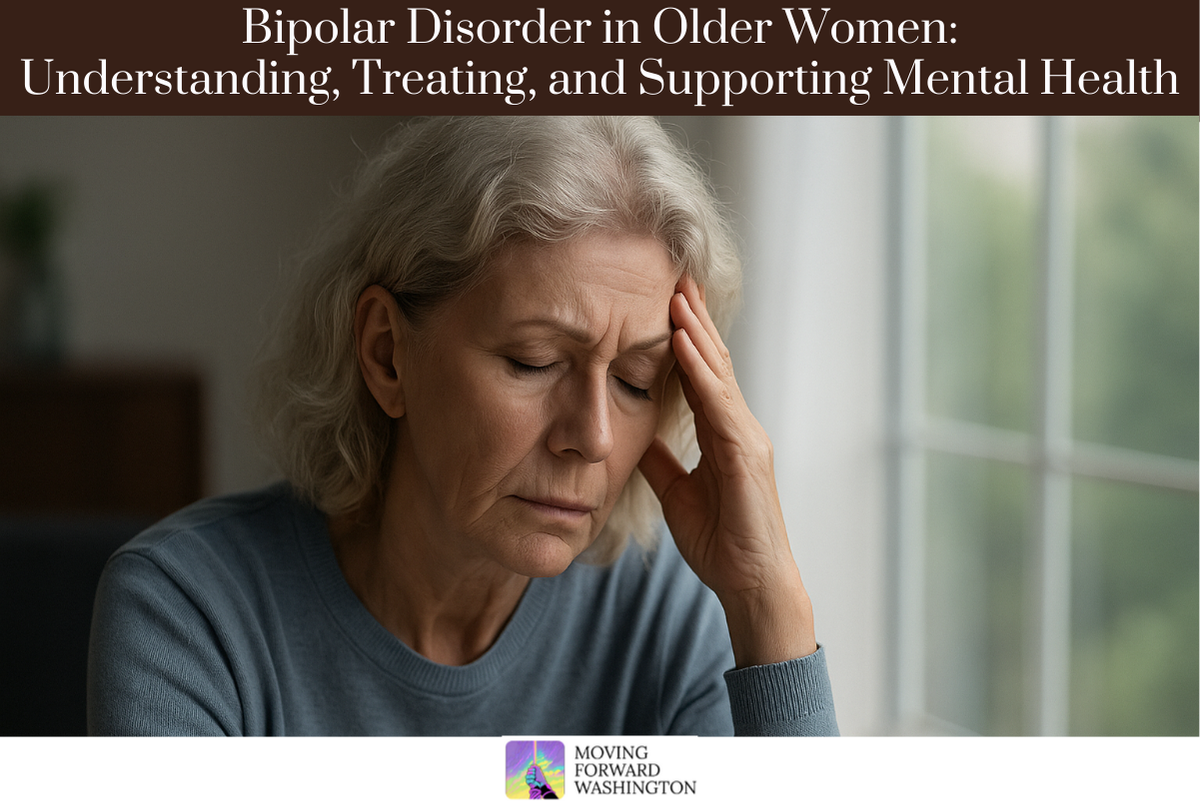
Bipolar disorder is a mental health condition characterized by significant shifts in mood, energy, and activity levels. While commonly associated with younger adults, bipolar disorder also affects older women—sometimes presenting differently than it does earlier in life. Recognizing the unique challenges faced by women in later adulthood is essential for accurate diagnosis, effective treatment, and improved quality of life.
Why Bipolar Disorder in Older Women Can Be Overlooked
Older women often experience bipolar symptoms differently. Manic or hypomanic episodes may be less obvious, while depressive symptoms can be mistaken for other conditions such as grief, menopause-related mood changes, or dementia. Physical health issues, social isolation, and hormonal changes can further complicate diagnosis. Unfortunately, this means many older women go undiagnosed or misdiagnosed.
Signs and Symptoms to Look For
- Mood swings: Periods of extreme highs (mania/hypomania) and lows (depression).
- Changes in sleep: Trouble sleeping during mania or excessive sleep during depression.
- Energy fluctuations: Restlessness, rapid speech, or impulsive behavior versus slowed movements and fatigue.
- Cognitive changes: Memory difficulties or trouble focusing, often mistaken for age-related decline.
- Emotional challenges: Heightened anxiety, irritability, or feelings of hopelessness.
Treatment Approaches
Older women with bipolar disorder benefit most from an integrated approach to care:
- Medications: Mood stabilizers, antipsychotics, or antidepressants carefully adjusted to minimize side effects.
- Psychotherapy: Cognitive-behavioral therapy (CBT), supportive counseling, or group therapy.
- Lifestyle support: Regular sleep, nutrition, and exercise routines to help stabilize mood.
- Family and caregiver education: Understanding triggers and treatment can reduce stigma and improve outcomes.
Q&A: Bipolar Disorder in Older Women
Q: Is bipolar disorder common in older women?
A: While less frequently diagnosed in later life, research suggests that many cases in older women go unrecognized due to overlapping health issues. Awareness is key to improving identification.
Q: How is bipolar disorder different from depression in older women?
A: Unlike depression, bipolar disorder involves both high (manic/hypomanic) and low (depressive) episodes. Focusing only on depressive symptoms may lead to incomplete treatment.
Q: Can bipolar disorder be mistaken for dementia?
A: Yes. Cognitive changes during severe episodes may mimic dementia, but with proper treatment, these symptoms often improve.
Q: Are medications safe for older women with bipolar disorder?
A: Medications can be very effective but must be carefully managed to avoid interactions with other prescriptions and to minimize side effects common in older adults.
Q: What role does therapy play in managing bipolar disorder?
A: Therapy helps patients build coping strategies, process emotions, and maintain long-term stability. It’s often most effective when combined with medication.
Q: Can lifestyle changes help?
A: Absolutely. Consistent routines, sleep hygiene, stress management, and social engagement are critical in reducing symptom severity.
Moving Forward with Help and Hope
At Moving Forward Washington PLLC, we provide compassionate, evidence-based care for older women facing bipolar disorder and other mental health conditions. Our team works to ensure every patient receives individualized treatment tailored to their unique needs.
Contact Us Today:
📍 Address: 1721 Hewitt Avenue, Suite 506, Everett, WA 98201
📞 Phone: (425) 407-2771
🌐 Website: movingforwardwashington.com