
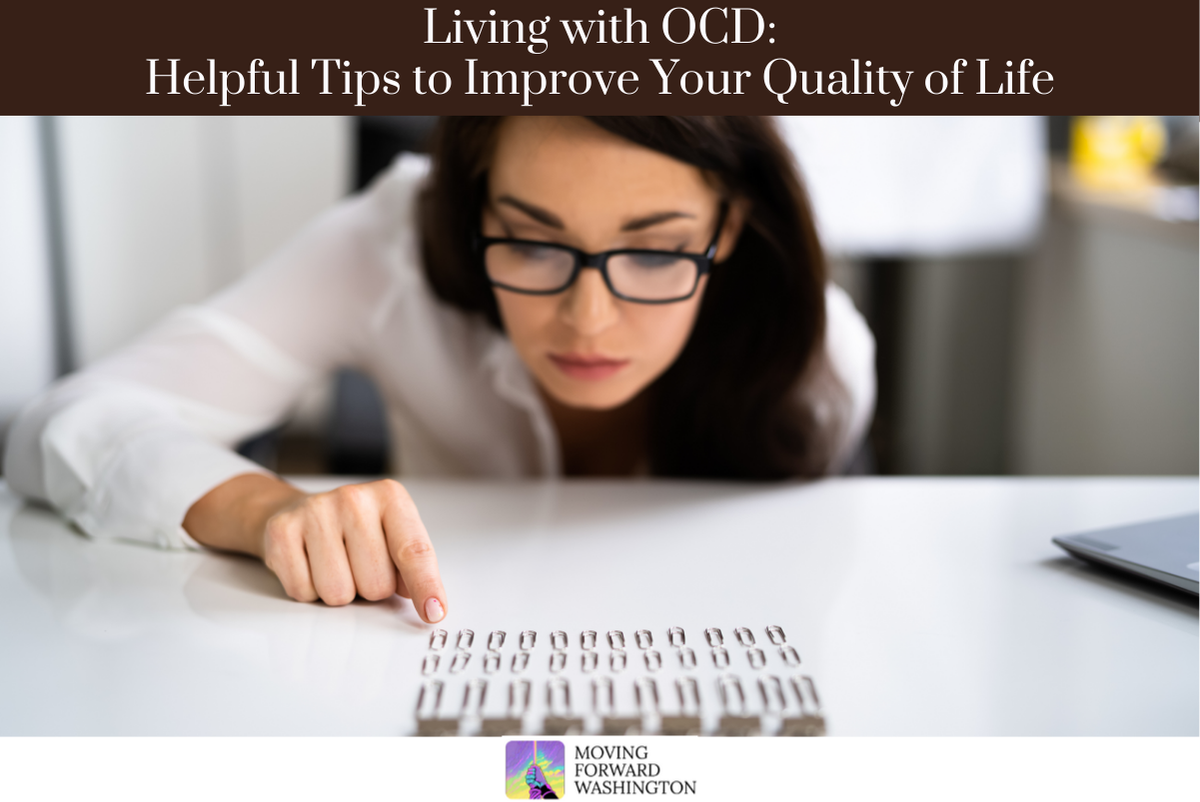
Obsessive-Compulsive Disorder (OCD) is a mental health condition that affects millions of people, often creating cycles of unwanted thoughts and repetitive behaviors. While OCD can be overwhelming at times, there are many strategies that can help you manage symptoms and improve your quality of life. With the right support, therapy, and lifestyle changes, it’s possible to regain a sense of control and live a fulfilling life.
Understanding OCD
OCD is characterized by:
- Obsessions: Unwanted, intrusive thoughts, images, or urges (e.g., fears of contamination, worries about harm, doubts about safety).
- Compulsions: Repetitive actions or mental rituals performed to reduce anxiety or prevent a feared outcome (e.g., hand washing, checking, counting).
These cycles can take up significant time and energy, interfering with daily activities, work, relationships, and overall well-being.
Tips to Improve Quality of Life with OCD
1. Seek Professional Help
Evidence-based treatments like Cognitive Behavioral Therapy (CBT), particularly Exposure and Response Prevention (ERP), have been shown to be highly effective. Medication may also be recommended in some cases.
2. Practice Mindfulness and Grounding Techniques
Mindfulness helps you recognize intrusive thoughts without judgment, reducing the urge to respond with compulsions. Grounding strategies like deep breathing, focusing on your senses, or progressive muscle relaxation can calm the nervous system.
3. Limit Avoidance Behaviors
Avoiding triggers may feel comforting in the short term, but it often strengthens OCD in the long run. Gradual, supported exposure to triggers helps weaken the cycle of fear and compulsion.
4. Build a Support Network
Talking with friends, family, or support groups can reduce isolation and provide encouragement. Having someone who understands your struggles can make a huge difference.
5. Prioritize Healthy Routines
Adequate sleep, balanced nutrition, and regular physical activity can help stabilize mood and reduce anxiety—making OCD symptoms easier to manage.
6. Celebrate Small Victories
Progress with OCD is often gradual. Recognizing even small improvements can boost motivation and help you stay committed to treatment.
Q&A: Common Questions About OCD
Q: Can OCD go away on its own?
A: While symptoms may fluctuate, OCD typically does not resolve without treatment. Therapy and/or medication can help significantly reduce symptoms and improve functioning.
Q: What’s the difference between OCD and being a perfectionist?
A: Perfectionism may involve high standards, but OCD includes unwanted intrusive thoughts and compulsive behaviors performed to relieve anxiety. OCD is a medical condition that often interferes with daily life.
Q: Are medications always necessary?
A: Not always. Some individuals find success with therapy alone, while others benefit most from a combination of therapy and medication. Your provider can help determine the best approach for your needs.
Q: Can stress make OCD worse?
A: Yes. Stress often intensifies intrusive thoughts and compulsive urges. Stress-management techniques such as mindfulness, exercise, and therapy can help reduce flare-ups.
Q: How do I support a loved one with OCD?
A: Listen without judgment, avoid participating in compulsions, and encourage professional help. Learning about OCD together can strengthen your support system.
Getting Help
If you or a loved one is struggling with OCD, know that help is available. Professional treatment and compassionate care can help you take control of your symptoms and reclaim your life.
Contact Information:
Moving Forward Washington PLLC
1721 Hewitt Avenue, Suite 506
Everett, WA, 98201
📞 Phone: (425) 407-2771
🌐 movingforwardwashington.com