
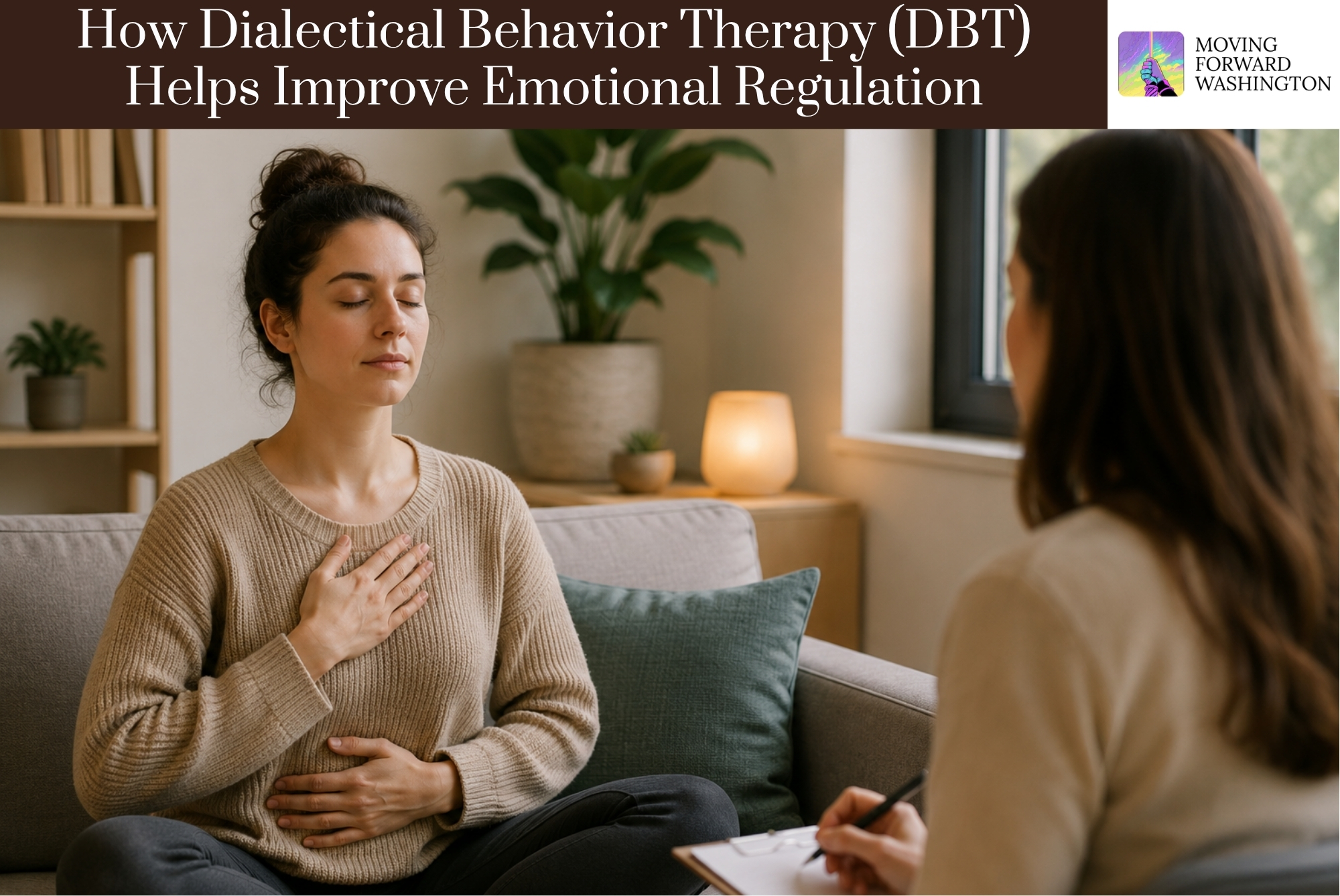
 Emotions are a natural part of life, but for some individuals, intense emotions can become overwhelming and difficult to manage. Persistent emotional distress can affect relationships, work performance, decision-making, physical health, and overall quality of life. Whether someone struggles with anxiety, depression, ADHD, bipolar disorder, or chronic emotional dysregulation, learning effective coping strategies can make a significant difference.
Dialectical Behavior Therapy (DBT) is an evidence-based form of psychotherapy designed to help individuals better understand, regulate, and respond to their emotions in healthier ways. Originally developed to treat individuals with borderline personality disorder, DBT has evolved into one of the most effective therapeutic approaches for a wide range of mental health conditions. Today, it is widely used to help people build resilience, improve relationships, reduce emotional suffering, and develop practical skills for managing life’s challenges.
At Moving Forward Washington PLLC, DBT is incorporated into individualized treatment plans that may also include psychiatric evaluation and medication management, providing comprehensive mental health care tailored to each person’s unique needs.
What Is Dialectical Behavior Therapy (DBT)?
Dialectical Behavior Therapy is a structured, skills-based form of cognitive behavioral therapy (CBT) that focuses on balancing two important concepts:
- Acceptance of current thoughts, feelings, and experiences
- Meaningful change toward healthier behaviors and emotional responses
The word “dialectical” refers to finding balance between two seemingly opposite ideas. Rather than judging emotions as good or bad, DBT teaches individuals to acknowledge their emotions without allowing them to control their actions.
DBT emphasizes practical skill development that patients can apply in everyday situations. These skills help reduce impulsive behaviors, improve emotional awareness, strengthen communication, and increase the ability to cope with stress.
Why Emotional Regulation Matters
Emotional regulation is the ability to recognize, understand, and manage emotional responses appropriately. People who experience emotional dysregulation often find themselves reacting more intensely or more quickly than others.
Signs of emotional dysregulation may include:
Frequent Mood Swings
Emotions may shift rapidly, making it difficult to maintain emotional stability throughout the day.
Difficulty Managing Anger
Small frustrations can trigger intense anger or emotional outbursts.
Feeling Emotionally Overwhelmed
Stressful situations may feel impossible to manage, leading to panic, shutdown, or avoidance.
Impulsive Decisions
Strong emotions can lead to actions that are later regretted, such as impulsive spending, relationship conflicts, or risky behaviors.
Relationship Challenges
Difficulty regulating emotions often contributes to misunderstandings, conflict, and instability in personal or professional relationships.
DBT teaches practical strategies that help individuals respond thoughtfully rather than react impulsively.
The Four Core Skill Areas of DBT
DBT is organized around four essential skill areas that work together to improve emotional well-being.
Mindfulness
Mindfulness serves as the foundation of DBT.
Mindfulness involves learning to focus attention on the present moment without judgment. Rather than becoming caught up in worries about the future or regrets about the past, individuals learn to observe their thoughts, emotions, and physical sensations with greater awareness.
Benefits of mindfulness include:
- Improved concentration
- Greater emotional awareness
- Reduced anxiety
- Better decision-making
- Increased self-compassion
Mindfulness helps create a pause between emotions and actions, allowing people to make healthier choices.
Distress Tolerance
Life inevitably includes painful experiences, disappointments, and unexpected challenges.
Distress tolerance skills help individuals manage difficult situations without making them worse through impulsive reactions or unhealthy coping mechanisms.
Examples of distress tolerance skills include:
- Grounding exercises
- Deep breathing techniques
- Self-soothing strategies
- Radical acceptance
- Crisis survival skills
Rather than eliminating emotional pain, these skills teach individuals how to tolerate discomfort until it becomes more manageable.
Emotion Regulation
Emotion regulation skills help people better understand how emotions develop and how to reduce emotional vulnerability.
Patients learn to:
- Identify emotional triggers
- Recognize emotional patterns
- Reduce emotional intensity
- Develop healthy daily routines
- Improve sleep, nutrition, and physical activity
- Build positive emotional experiences
Over time, these skills help reduce emotional reactivity and promote greater emotional stability.
Interpersonal Effectiveness
Healthy relationships require clear communication, appropriate boundaries, and mutual respect.
Interpersonal effectiveness skills teach individuals how to:
- Express needs confidently
- Say no appropriately
- Resolve conflicts constructively
- Improve listening skills
- Strengthen personal and professional relationships
- Balance personal goals with maintaining healthy relationships
Many individuals discover that improving communication significantly reduces stress and emotional conflict.
Conditions That May Benefit from DBT
Although DBT was originally developed for one specific diagnosis, research has demonstrated its effectiveness across many mental health conditions.
DBT for Anxiety
Individuals with anxiety often experience overwhelming worry, emotional reactivity, and difficulty tolerating uncertainty.
DBT helps reduce anxiety by teaching mindfulness, distress tolerance, and emotion regulation techniques that interrupt cycles of anxious thinking and emotional escalation.
DBT for Depression
Depression often involves persistent sadness, hopelessness, withdrawal, and difficulty engaging in meaningful activities.
DBT helps individuals recognize emotional patterns, build healthier routines, increase positive experiences, and develop practical coping strategies that support recovery.
DBT for ADHD
Adults and adolescents with ADHD frequently struggle with impulsivity, emotional regulation, frustration tolerance, and relationship difficulties.
DBT skills can improve:
- Emotional control
- Organization
- Problem-solving
- Impulse management
- Communication
- Stress management
These skills complement other ADHD treatments and improve daily functioning.
DBT for Bipolar Disorder
Individuals living with bipolar disorder often benefit from learning skills that improve emotional awareness, recognize mood changes early, and strengthen healthy coping strategies.
DBT can support long-term treatment by helping individuals manage stress, maintain routines, improve communication, and respond more effectively during emotional shifts. It is often used alongside medication management as part of a comprehensive treatment plan.
Emotional Dysregulation
Some individuals experience intense emotions without meeting criteria for a specific diagnosis.
DBT is highly effective for people who frequently feel emotionally overwhelmed, react impulsively, or struggle to recover after stressful situations.
How DBT Improves Daily Life
Many patients notice improvements that extend beyond symptom reduction.
As DBT skills become integrated into everyday life, individuals often experience:
Better Relationships
Improved communication and emotional awareness help strengthen personal and professional relationships.
Greater Confidence
Successfully managing difficult emotions builds self-confidence and resilience.
Reduced Emotional Reactivity
Individuals learn to respond thoughtfully instead of reacting impulsively during stressful situations.
Healthier Decision-Making
DBT encourages intentional choices that align with long-term goals rather than temporary emotions.
Improved Overall Well-Being
Better emotional regulation often contributes to improved sleep, productivity, physical health, and life satisfaction.
Combining DBT with Medication Management
For many individuals, psychotherapy alone provides meaningful improvement. Others benefit most from combining therapy with medication management.
Psychiatric medications can help reduce symptoms such as severe anxiety, depression, mood instability, or attention difficulties, making it easier to fully engage in therapy.
When medication management is combined with DBT:
- Symptoms may become more manageable.
- Patients can practice DBT skills more effectively.
- Treatment addresses both biological and psychological factors.
- Care is coordinated across multiple aspects of mental health.
At Moving Forward Washington PLLC, treatment plans are individualized based on each patient’s diagnosis, symptoms, goals, and medical history.
What to Expect During DBT Therapy
DBT is an active, collaborative form of psychotherapy.
Sessions typically involve:
- Reviewing recent challenges
- Identifying emotional triggers
- Learning new coping skills
- Practicing DBT techniques
- Applying skills to real-life situations
- Tracking progress over time
The goal is not simply talking about problems but building practical tools that create lasting change.
Is DBT Right for You?
DBT may be beneficial if you:
- Feel overwhelmed by intense emotions
- Have difficulty managing stress
- Experience frequent anxiety or depression
- Struggle with impulsive behaviors
- Find relationships challenging
- Want healthier coping strategies
- Live with ADHD or bipolar disorder
- Are looking for evidence-based psychotherapy focused on skill development
A comprehensive mental health evaluation can help determine whether DBT is an appropriate treatment option as part of an individualized care plan.
Frequently Asked Questions
What is Dialectical Behavior Therapy (DBT)?
DBT is an evidence-based psychotherapy that teaches practical skills to improve emotional regulation, cope with stress, strengthen relationships, and increase mindfulness while balancing acceptance with positive change.
How is DBT different from traditional cognitive behavioral therapy (CBT)?
Both DBT and CBT focus on changing unhelpful thoughts and behaviors. DBT places additional emphasis on emotional regulation, mindfulness, distress tolerance, and interpersonal effectiveness, making it especially helpful for individuals who experience intense emotions.
How long does DBT treatment usually last?
The length of treatment varies depending on individual goals and symptoms. Some people benefit from several months of therapy, while others continue longer to strengthen skills and support long-term emotional wellness.
Does DBT work for anxiety?
Yes. DBT for anxiety teaches practical strategies that help individuals manage excessive worry, tolerate uncertainty, reduce emotional reactivity, and respond more effectively to stressful situations.
Can DBT help with depression?
DBT can help individuals with depression by improving coping skills, reducing emotional avoidance, increasing engagement in meaningful activities, and strengthening emotional resilience.
Is DBT helpful for ADHD?
Yes. Many individuals with ADHD benefit from DBT skills that improve impulse control, emotional regulation, organization, communication, and frustration tolerance.
Can DBT be used for bipolar disorder?
Yes. DBT can be an effective component of treatment for bipolar disorder, particularly when combined with medication management and ongoing psychiatric care.
Will I learn skills I can use outside of therapy?
Absolutely. One of the primary goals of DBT is teaching practical skills that patients can apply in everyday situations, including work, school, relationships, and stressful life events.
Can DBT be combined with medication?
Yes. Many individuals achieve the best outcomes by combining DBT therapy with medication management when clinically appropriate. This comprehensive approach addresses both emotional skills and underlying psychiatric symptoms.
Is DBT only for people with severe mental illness?
No. DBT benefits many individuals who simply want better emotional regulation, healthier relationships, improved coping skills, and greater resilience in daily life, even if they do not have a severe mental health diagnosis.
Contact Information
Moving Forward Washington PLLC
1721 Hewitt Avenue, Suite 506
Everett, WA 98201
Phone: (425) 655-7335
Website: movingforwardwashington.com