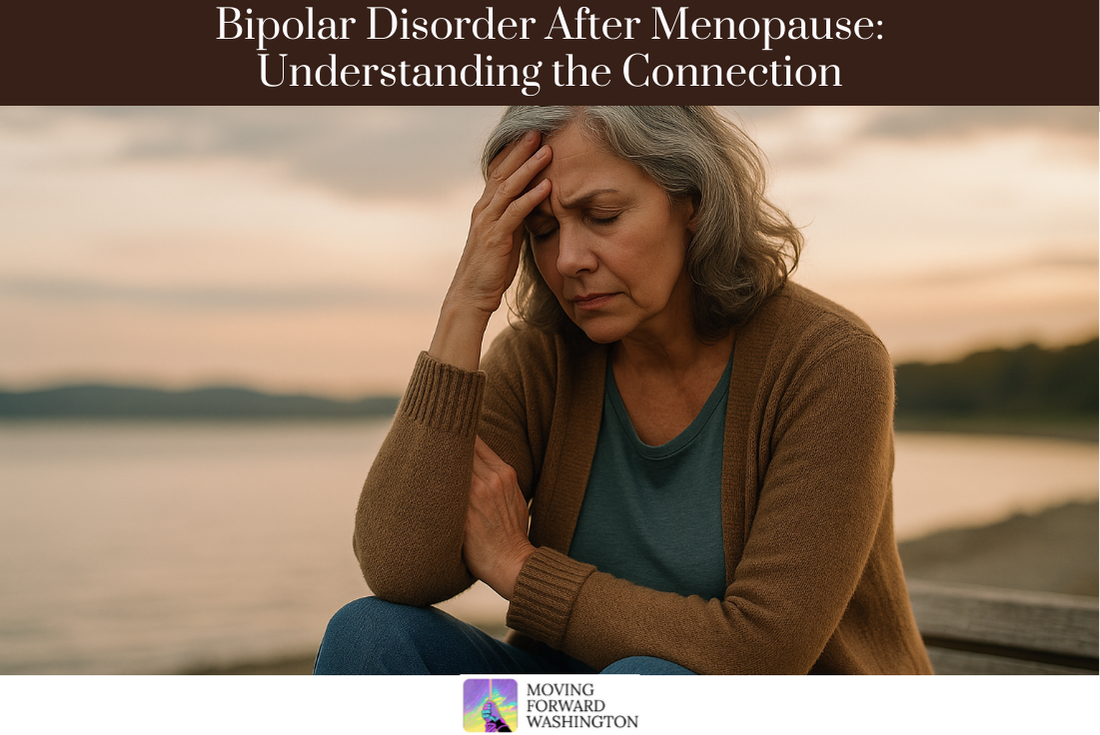
 Menopause is a natural transition in a woman’s life, but for many, it comes with complex changes that affect both body and mind. One area often overlooked is the relationship between menopause and mental health—particularly bipolar disorder. Women with bipolar disorder may notice changes in symptoms after menopause, and even those without a prior diagnosis can develop mood-related challenges during this stage of life.
At Moving Forward Washington PLLC, we understand how hormonal changes, life stressors, and medical conditions intersect to influence mental well-being. This article explores the impact of menopause on bipolar disorder, treatment options, and ways to find balance and support.
How Menopause Affects Bipolar Disorder
Menopause brings significant hormonal shifts, particularly in estrogen and progesterone levels. These changes can alter brain chemistry, impacting neurotransmitters such as serotonin and dopamine—the same chemicals involved in mood regulation.
For women with bipolar disorder, menopause may:
- Increase mood instability – greater frequency or severity of manic or depressive episodes.
- Trigger new symptoms – anxiety, irritability, or sleep disturbances may worsen.
- Affect medication response – some treatments may feel less effective or require adjustments.
- Overlap with other conditions – fatigue, brain fog, and hot flashes can mimic or intensify bipolar symptoms.
Treatment and Support
The good news is that bipolar disorder after menopause can be managed effectively with the right approach:
- Medication adjustments – mood stabilizers, antidepressants, or antipsychotics may need fine-tuning.
- Hormone replacement therapy (HRT) – in select cases, this may help with mood swings, though it should be carefully considered.
- Lifestyle strategies – regular exercise, stress management, sleep hygiene, and balanced nutrition are key.
- Therapy and counseling – talk therapy, cognitive-behavioral therapy (CBT), or support groups can provide coping tools.
- Collaborative care – working with a psychiatrist who understands hormonal changes is essential.
Q&A: Bipolar Disorder and Menopause
Q: Can menopause cause bipolar disorder?
A: Menopause itself does not cause bipolar disorder, but hormonal changes can trigger mood instability or unmask an underlying vulnerability.
Q: Why do bipolar symptoms get worse after menopause?
A: Declining estrogen affects brain neurotransmitters linked to mood. Combined with stress, sleep problems, and health changes, this can worsen bipolar symptoms.
Q: How can I tell if mood swings are due to menopause or bipolar disorder?
A: Menopause-related mood swings are often shorter and tied to physical symptoms like hot flashes. Bipolar mood episodes last longer, may cycle between highs and lows, and can be disruptive to daily life. A mental health provider can help clarify the difference.
Q: What treatments are best for bipolar disorder after menopause?
A: A combination of medication, lifestyle changes, and therapy works best. Your psychiatrist may adjust medications or explore options such as HRT if appropriate.
Q: Is it safe to use hormone replacement therapy (HRT) if I have bipolar disorder?
A: For some women, HRT may help stabilize mood, but it should always be used under close medical supervision. The risks and benefits vary by individual.
Q: What can family members do to help?
A: Support loved ones by encouraging treatment, maintaining open communication, and creating a stable daily routine. Education about bipolar disorder and menopause is also key.
Moving Forward with Support
If you or a loved one are navigating bipolar disorder after menopause, you don’t have to face it alone. With compassionate psychiatric care, tailored treatment, and ongoing support, you can regain balance and thrive in this next stage of life.
Contact Information
Moving Forward Washington PLLC
1721 Hewitt Avenue, Suite 506
Everett, WA, 98201
📞 Phone: (425) 407-2771
🌐 movingforwardwashington.com